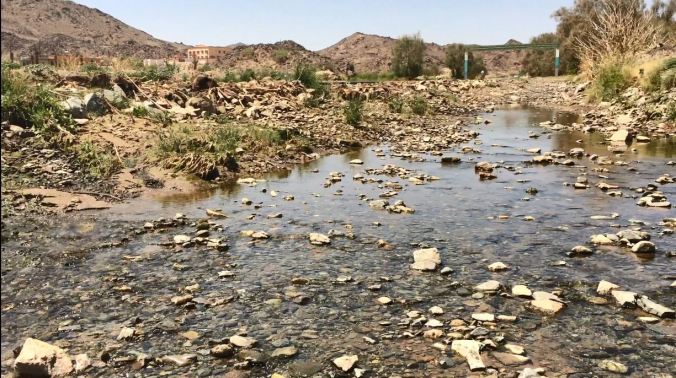
Bisha province is a rich oasis in the southwest of Saudi Arabia that has always been known for its fertile land. It joins between the valleys coming from the high mountains, called Palm Bisha, Green Bisha and Black Bisha, where another 45 sub-valleys also meet.
We visited Bisha as part of our 2018 Eid holidays trip to Abha. It’s one of the biggest cities in the Asir region having Domestic Airport so travelers don’t need to worry for food, gasoline or resting places. We found a Pakistani restaurant near Bisha from where we had our breakfast because we left Riyadh in the mid night. Breakfast was good compare to food we find on highways usually and the Pakhtoon restaurant owner offered us separate room to have some rest with family.
By that time we considered Bisha only a small town served as a gateway between south western and eastern parts of Saudi Arabia and had a plan to visit only King Fahad Dam but the natural beauty of the city mesmerized us. It was a big surprise to see a lot of dates farms there and water from dam was flooding the road after getting discharged from the dam. However, we were not allowed to visit the dam; the beauty of the surrounding made our trip so memorable.
I would like to take the advantage of this opportunity to share with you some of the top tourist attractions of Bisha
Palm Trees:
With the recent agricultural reawakening in Saudi Arabia, the General Directorate of Agriculture has started to rehabilitate the agricultural sector with expert farmers.
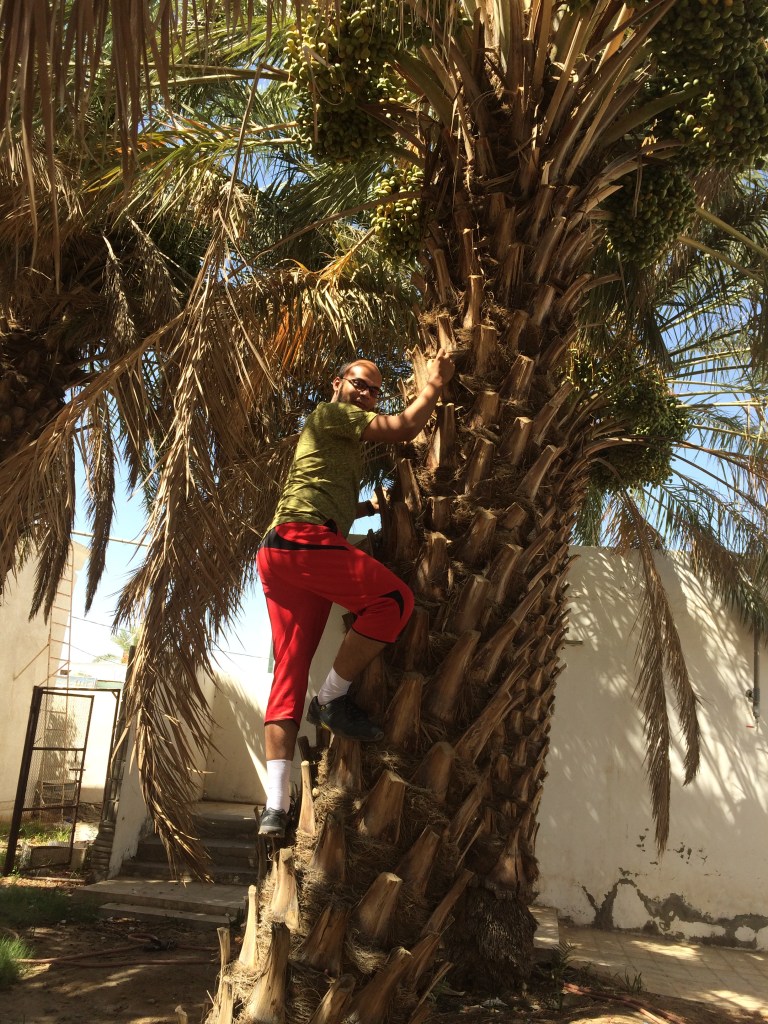
Bisha is famous for the diversity of its trees spreading along the edges of its valleys. According to Ministry of Environment in the province of Bisha, palm trees in the province are free of all pesticides and are fully organic.
Bisha provides the local markets with many products such as dates, citrus products and honey. However, it lacks proper marketing for external exportation, which contributes to the significant decline of the products’ value.
The Sufri product is known to be the best produced locally and is in high demand from many companies. The statistics center at the Sufri Bisha festival recorded that more than 1.9 million palm trees are highly productive in Bisha, producing around 40 percent of exported dates from the KSA to the world.
King Fahad Dam:
Bisha relies on the rainwater falling on the western and southern mountains, as well as on the city’s highlands. Because of the importance of different sources of water, the Ministry of Environment, Agriculture and Water worked on creating four dams to ensure the permanent existence of water to guarantee the stability of the agricultural sector. One of them is King Fahad Dam which is one of the largest concrete dams in the Middle East and one of the top tourist attractions in Bisha.
The water stored in the dam is used for controlled agriculture, watering neighboring farms, replenishing groundwater and compensating for surface water reduced due to drought along Bisha valley.
Enjoy the beautiful full virtual tour of Bisha Valley in the video
 SAUDI DESTINATIONS